
One of the most-read thought pieces on Carolyn’s Nonprofit Blog is, “Cowboy Ethics | Ten Principles to Live By.” Last year alone, more than 8,000 visited!
The topic holds personal resonance for me. I grew up in the American Southwest and my ancestors were involved in the expansion of the railroad across Colorado, New Mexico and Texas. My parents were born and raised in New Mexico and Nevada, and we as a family had an abiding interest in all things, “Western.”
As we have read in numerous sources online, the spread of misinformation is sadly increasing. Dan Evon wrote a helpful article for the News Literacy Project that observes, “Record-breaking hurricanes, the rapid development and use of generative artificial intelligence technologies, anything Taylor Swift, two assassination attempts, and President-elect Donald Trump’s win were among the biggest news stories of 2024. But misinformation often spread as rapidly as the facts about these events did.” I recommend this article and its takeaways highly, like this one: “Determining the source of a claim is key to staying reliably informed, so it’s important to ask where a photo originated or who made the assertion.”
The World Economic Forum lists misinformation and disinformation as among the top global threats for 2025. “Misinformation and disinformation remain top short-term risks for the second consecutive year, underlining their persistent threat to societal cohesion and governance by eroding trust and exacerbating divisions within and between nations.”
Moving forward in 2025, my hope is the nonprofit sector will continue to embrace truth in conveying information about their own work and that of other groups. My sense from working with a variety of nonprofit organizations over the course of many years is they are genuinely sincere and truthful in what they share publicly.
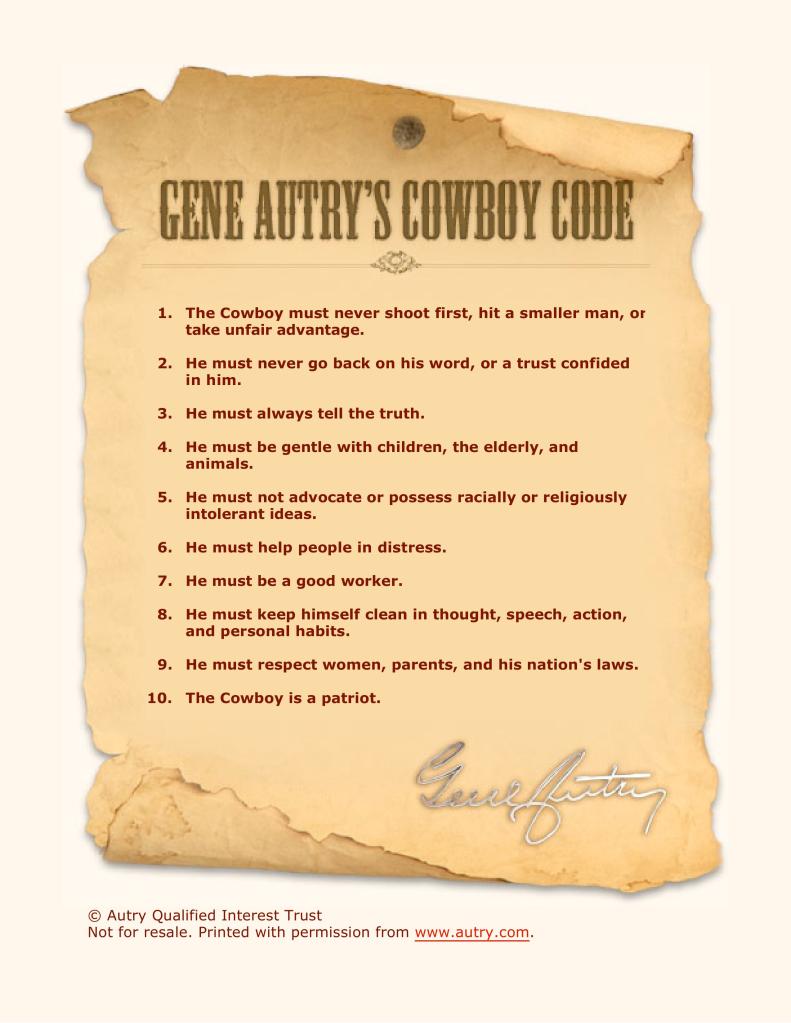
This discussion about truth calls to mind Gene Autry’s cowboy code. He states that cowboys (and by association, cowgirls), must, “always tell the truth.”
Another terrific “code” of behavior comes from Rotary International. The Four-Way Test is a mainstay of the organization, and it is recited during Rotary meetings around the world. I would suggest this code be adopted by the United States Congress and all public officials.
- Is it the truth?
- Is it fair to all concerned?
- Will it build goodwill and better friendships?
- Will it be beneficial to all concerned?
In an article posted on the Rotary International website, Joseph Epstein notes, “Saying ‘the thing that was not’ has become a minor specialty, almost a profession. What else is ‘spin’ — that word much revered by politicians, public relations experts, and others for whom truth is often a serious inconvenience — but twisting the truth in a manner that favors one’s own position, needs, or motives of the moment?”
What can those working in the nonprofit sector do to combat misinformation? Refrain from becoming emotional about it. Conduct research to verify the facts. Then decide how you will respond. Obviously, you will want to keep an eye out for false statements being made about your nonprofit, and the topic(s) on which you focus. Do respond publicly as necessary to clarify false information along these lines. The public needs to know. Do not suffer in silence, thinking that it will all, “go away.” In today’s world, it probably will not.
I recently signed up to receive daily briefings from Media Bias/Fact Check and I am so glad I did! I read the news online every morning and from a variety of sources to help balance my understanding. Adding this daily fact-checking briefing to my reading list has been truly eye-opening. Another service I watch is, FactCheck.org.
Be a source for truth and honesty. As the National Council for Nonprofits notes in “Ethical Fundraising,” communications must be accurate and honest. And if you have not already done so, consider sharing your code of ethics and values on your website and in your publications. This is a simple and thoughtful way to inform the public about the ethical way in which your organization operates.
It’s useful to adopt a set of principles to guide a nonprofit organization’s decision making and activities, as well as the behavior of its employees, volunteers, and board members. These principles could be called a “code of ethics” but they might be called the nonprofit’s “statement of values” or “code of conduct,” or something else. The purpose of adopting such a statement formally is to provide employees, volunteers, and board members with guidelines for making ethical choices and to ensure that there is accountability for those choices.
Best wishes for your fundraising and program success in 2025! Aim high this year by focusing on ethics. In this way, the nonprofit sector will remain a beacon of truth in these challenging times.
William Shakespeare, “No legacy is so rich as truth” (English playwright, 1564-1616)
We are sad to learn about the loss of Gene Autry’s historic ranch house during the 2025 fires across Los Angeles that began in early January. Read more in, Mansion Global.
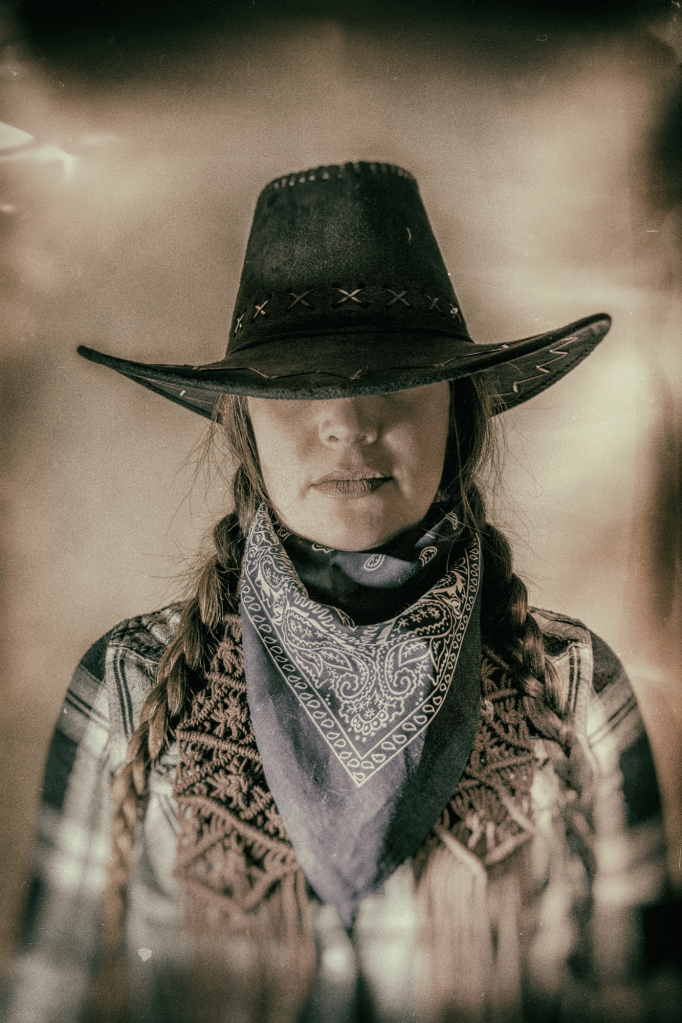
I like this more “truthful” image of a cowgirl. So often, cowboys and cowgirls are glamorized online and on television, but the truth is, they do some really hard work! Image provided by Adobe Express.


 Carolyn's Nonprofit Blog
Leave a comment