
I wrote this article back in 2019, but reading a recent article by Grace Sato for Candid, “The ‘invisible majority’: What we know about very small nonprofits” (2025) made me want to update it!
“Did you know? The majority of U.S. 501(c)(3) nonprofits are very small organizations with annual budgets below $50,000. That’s less than the median U.S. household income ($80,610 in 2023). These very small organizations are often overlooked both by donors and research about the sector, in part because we know much less about them than about other nonprofits.”
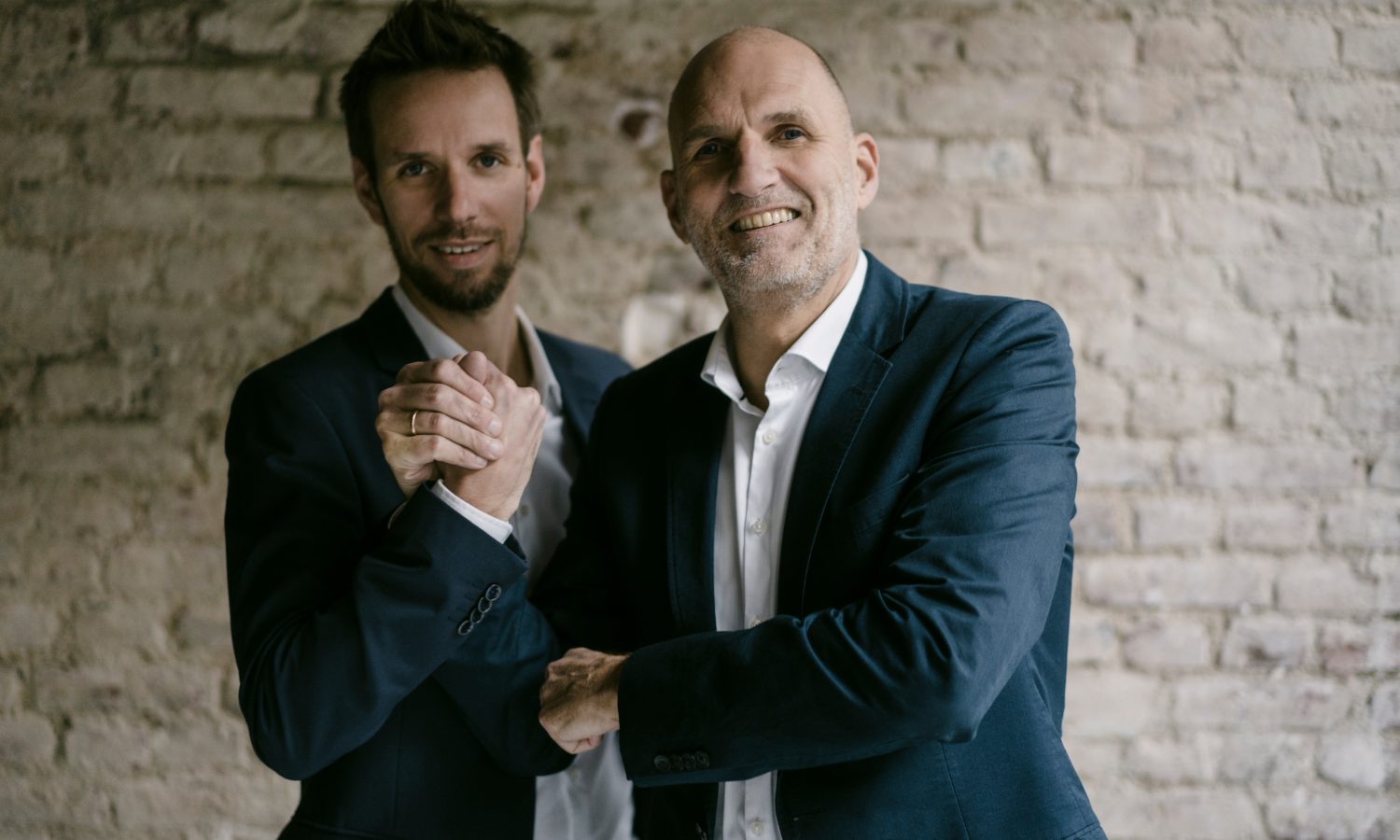
As I note in another post, “Nonprofits and Boomers: Are We Missing the Boat,” nonprofit organizations must be mindful that Boomer and older generations are key for successful fundraising, and also for their knowledge and their valuable life experiences. “Boomers” are a generous generation and highly supportive of nonprofit endeavors, yet they are often seen as being stodgy and old fashioned.
Feathr notes in, “The State of Nonprofit Marketing 2025 Edition” that, “Boomers are still carrying the load, bringing in nearly half of all donations (46%!). Gen Z and millennials together account for just 17.6%.” They urge nonprofits to cultivate younger generations share a wealth of information in the report that you will definitely want to read.
Many marketing professionals continue to focus on the young and the aesthetics of youth. And while many older adults do strive to be “younger” in some ways, as time moves forward and the aging population explodes worldwide, we are seeing a growing pride in being “older” and in the aesthetic preferences of older adults.

Having said that, I once approached a large national foundation on behalf of an exciting young “start up.” But the nonprofit’s annual operational budget – being “under $1,000,000” – meant the foundation declined support based solely on that criterion. They would not take even a cursory glance at what the nonprofit is accomplishing, at how well it operates and how worthy it could be as a partner.
On a personal note, what that foundation’s professional advisors also missed is that some of the Board members and donors of that nonprofit were capable of establishing donor advised funds. They would have been thrilled to receive even a modest grant and might have themselves become donor advised fund clients. But the “under $1,000,000” rule supplanted all other considerations. But why is operating budget size so important?
Since returning to Austin a decade ago and helping nonprofit “startups” bolster their infrastructure and credibility in order to secure more substantial donations, I have noticed some of them are reluctant to support younger nonprofits because they are, “too small.” Potential donors cite the nonprofits have not been in existence long enough (i.e., five years or more). Some decline because these smaller and younger initiatives have not had formal audits, which are an expensive undertaking for most small nonprofit organizations.
I visited with another foundation a few years ago that required every nonprofit applicant to have four consecutive years of professional audits. That is way over the top! I advised focusing instead on gold-level or higher GuideStar profiles, GreatNonprofits reviews, and annual calculations of volunteer hours donated. If you have ever inquired about the cost of a professional audit, the fee is daunting. Those funds would be better spent on operations and programming, for example. Why not request an objective, professional accounting review instead, which is thorough but much less cumbersome and expensive than a formal audit.
The fact is, many of these startups and young nonprofits are lean staff- and budget-wise, and they operate highly efficiently. They accomplish amazing things with relatively little, and the staff are deeply loyal to their missions. I have worked with some nonprofit organizations that pride themselves on managing their work entirely with volunteers, including tireless work by Board members, thereby signifying their devotion to the cause and keeping costs to an absolute minimum. But those efforts would seem to be wasted on donors who focus solely on large nonprofits with large budgets.
In my opinion, there seems to be a disconnect between the donor and professional advisor sectors and the vast majority of nonprofit organizations, which are in fact smaller in size (or that appear small in size but in reality, are quite substantial in impact).
My hope is for deeper, long-term partnerships between younger and older generations, the latter holding significant disposable income to make charitable donations. Boomers and older adults (and their professional advisors), often focus their charitable giving on tried-and-true nonprofits that have been in existence for many years. That is certainly their choice to make, but having seen nonprofits large and small in some detail as a professional fundraiser, I can say without hesitation many of younger and smaller nonprofits, startups and social good enterprises are more efficient and more likely to create positive change in society than the older, top-heavy ones. But these younger initiatives are often seen as being, “riskier.”
Lose your fear and support startups and smaller nonprofit organizations. Younger generations are – and will be – driving much of the social change ahead. We need to trust and encourage them. But also, younger generations need to engage older citizens and tap their knowledge and enthusiasm for social good, as well as their charitable donations. Together we can change the world for the better.
You might also enjoy reading these articles from Carolyn’s Nonprofit Blog.


 Carolyn's Nonprofit Blog
Leave a comment